July 28, 2026
Roofing replacements, siding upgrades, landscaping work, and other exterior improvement projects can quickly generate more debris than many property owners expect. Old shingles, underlayment, nails, flashing, wood, vinyl siding, fiber cement panels, packaging materials, and other construction waste can accumulate rapidly once work begins. Without a clear disposal plan, this debris may create unnecessary clutter, slow down the project, and increase the risk of trips, punctures, property damage, and other job site hazards. Planning ahead for waste removal is therefore an important part of keeping exterior projects organized, efficient, and safe from beginning to end.
Dumpster rentals provide a practical solution by creating one designated location for waste collection throughout the project. Instead of allowing materials to pile up in several areas or relying on repeated trips to a disposal facility, contractors and homeowners can place debris directly into a container as work progresses. This approach helps maintain a cleaner job site, reduces the amount of manual handling required, and allows crews to focus more of their time on completing the actual roofing, siding, or renovation work.
Understanding the Need for Dumpster Rentals
The Scale of Waste in Roofing Projects
Roofing projects generate a significant amount of waste due to the removal of old shingles, underlayment, and other materials. Without a strategic waste management plan, these materials can quickly clutter the worksite, posing safety hazards. Efficient waste disposal via dumpster rentals facilitates a cleaner and safer work environment, which is crucial for both workers and homeowners. Additionally, managing roofing waste properly ensures that materials such as asphalt shingles are disposed of or recycled in compliance with local regulations. Given that construction and demolition waste accounts for approximately 25% of the total U.S. waste stream, according to S & S Insider, specific attention to roofing waste is essential in mitigating environmental impact.
The shift towards more sustainable building practices has highlighted the importance of proper waste management on roofing sites. By implementing effective disposal methods through dumpster rentals, roofing projects can significantly reduce their carbon footprint. The utilization of dumpsters aids in separating recyclable materials from general waste, thereby supporting local recycling efforts. Furthermore, the use of dumpsters streamlines the removal process, allowing roofing contractors to focus on project completion without the added burden of manual waste transport. This approach not only improves efficiency but also aligns with industry trends towards more sustainable construction practices.
Cost is another crucial factor when considering waste management in roofing projects. Traditional methods of waste disposal can be time-consuming and more expensive in the long-term. Opting for a dedicated waste container presents an economical solution by combining waste collection and removal services into a single package. This reduces the need for multiple trips to disposal sites and saves on labor costs associated with waste handling. Ultimately, the strategic use of roll-off options can enhance the overall financial viability of roofing projects by optimizing waste management processes.
Complexity of Waste from Siding Updates
Siding updates, while enhancing the aesthetics and function of a building, generate substantial waste that must be effectively managed. Materials like vinyl, wood, and fiber cement siding require appropriate disposal strategies to avoid overflowing landfills. Renting a dumpster ensures that these bulky items are safely contained and transported to disposal facilities that can handle the specific types of waste. Additionally, certain siding materials may be recyclable, thereby necessitating meticulous sorting and separation. This reduces environmental impact and contributes to sustainable building initiatives.
Dumpster rentals simplify logistics by providing a centralized collection point for waste, reducing the need for multiple waste piles on-site. This centralization allows for better project organization and minimizes the risk of debris scattering. Moreover, utilizing a professional disposal service provides project managers with access to expertise in waste handling, ensuring compliance with regulations. Such expertise is critical in avoiding fines and maintaining project timelines.
Economically, roll-off systems offer a valuable solution to the cost challenges associated with siding waste management. By consolidating waste into a single container, transportation costs are significantly reduced, as fewer trips are needed to dispose of materials. Furthermore, many waste management companies offer scalable solutions that can be tailored to the specific size and duration of a project. This flexibility allows for cost-effective waste management strategies that can adapt to changing project needs. As a result, contractors can better manage their budget while maintaining high standards of environmental stewardship.
Types of Dumpsters Suitable for Exterior Projects
Roll-Off Dumpsters: Features and Uses
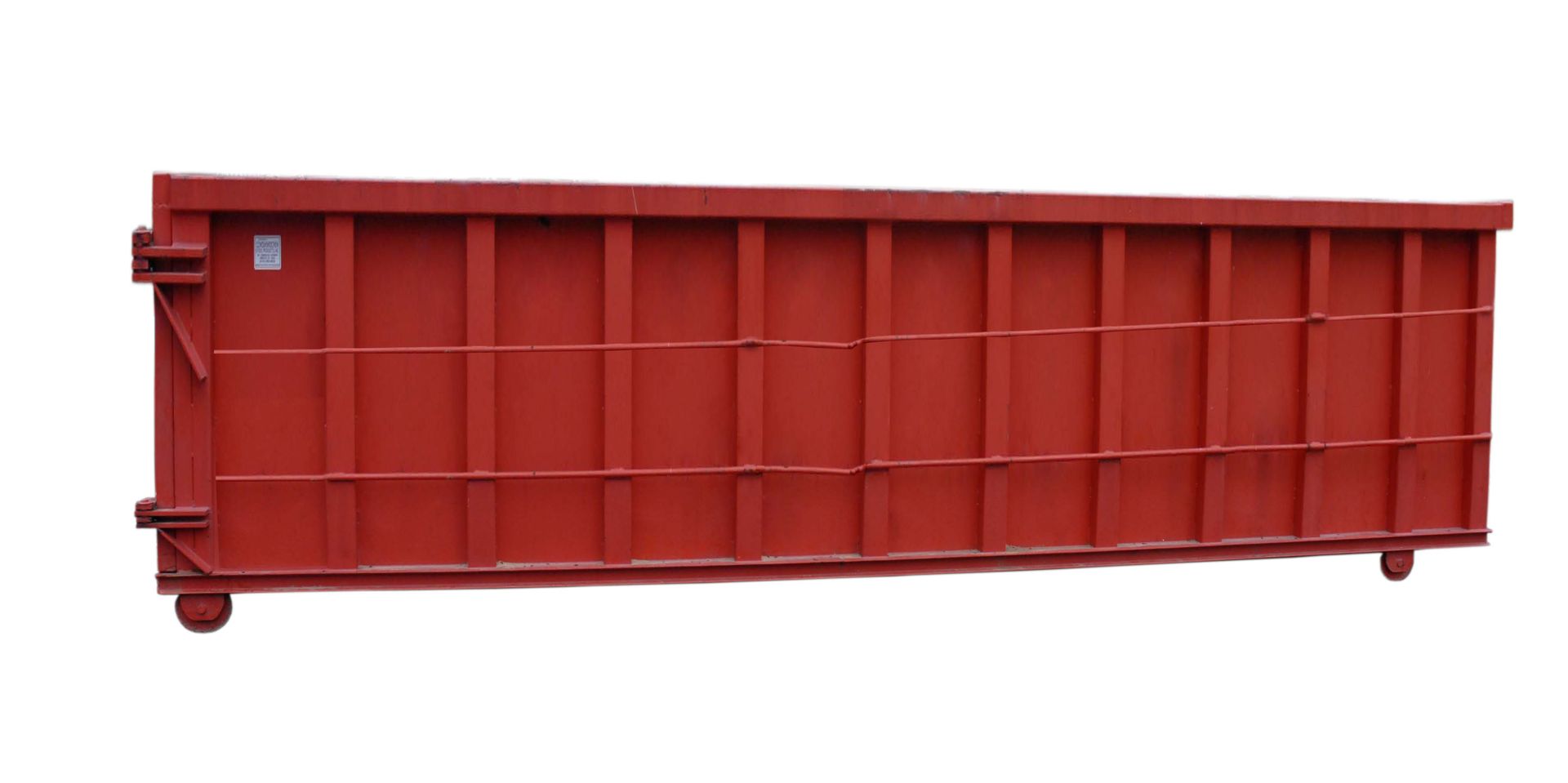
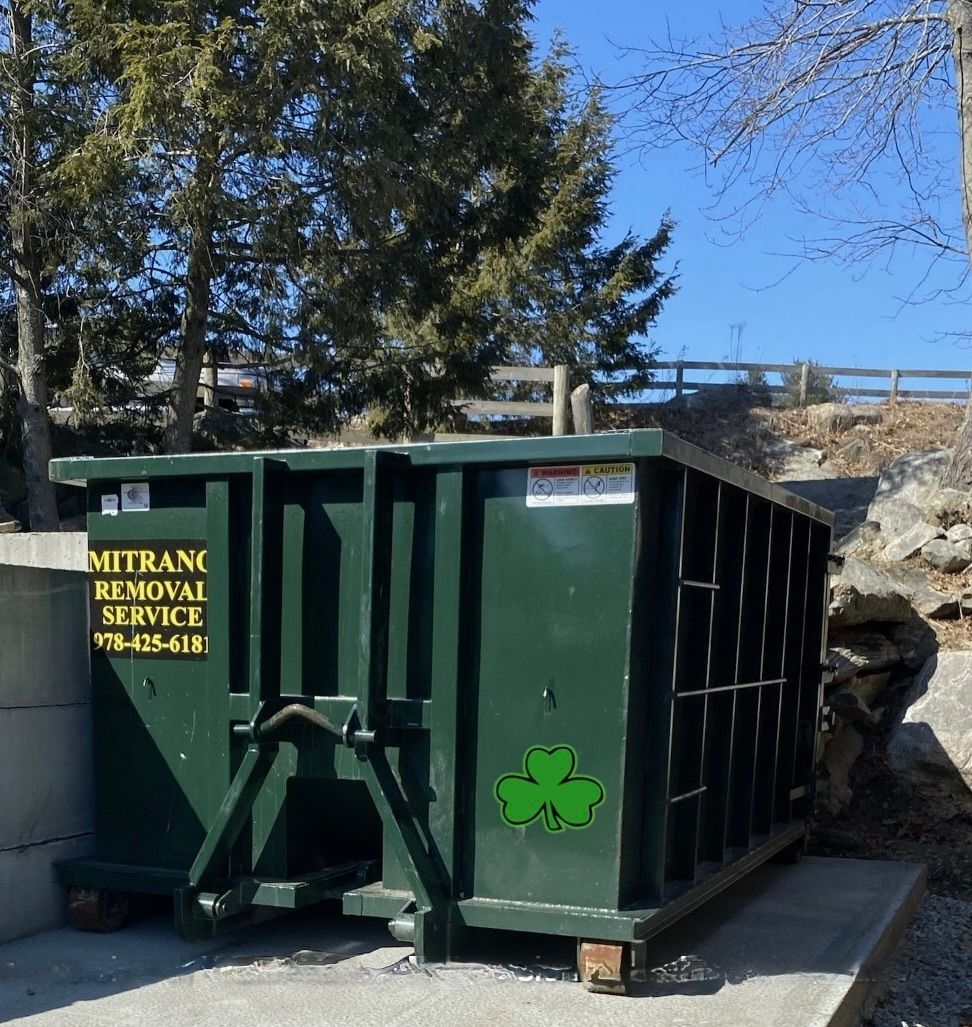
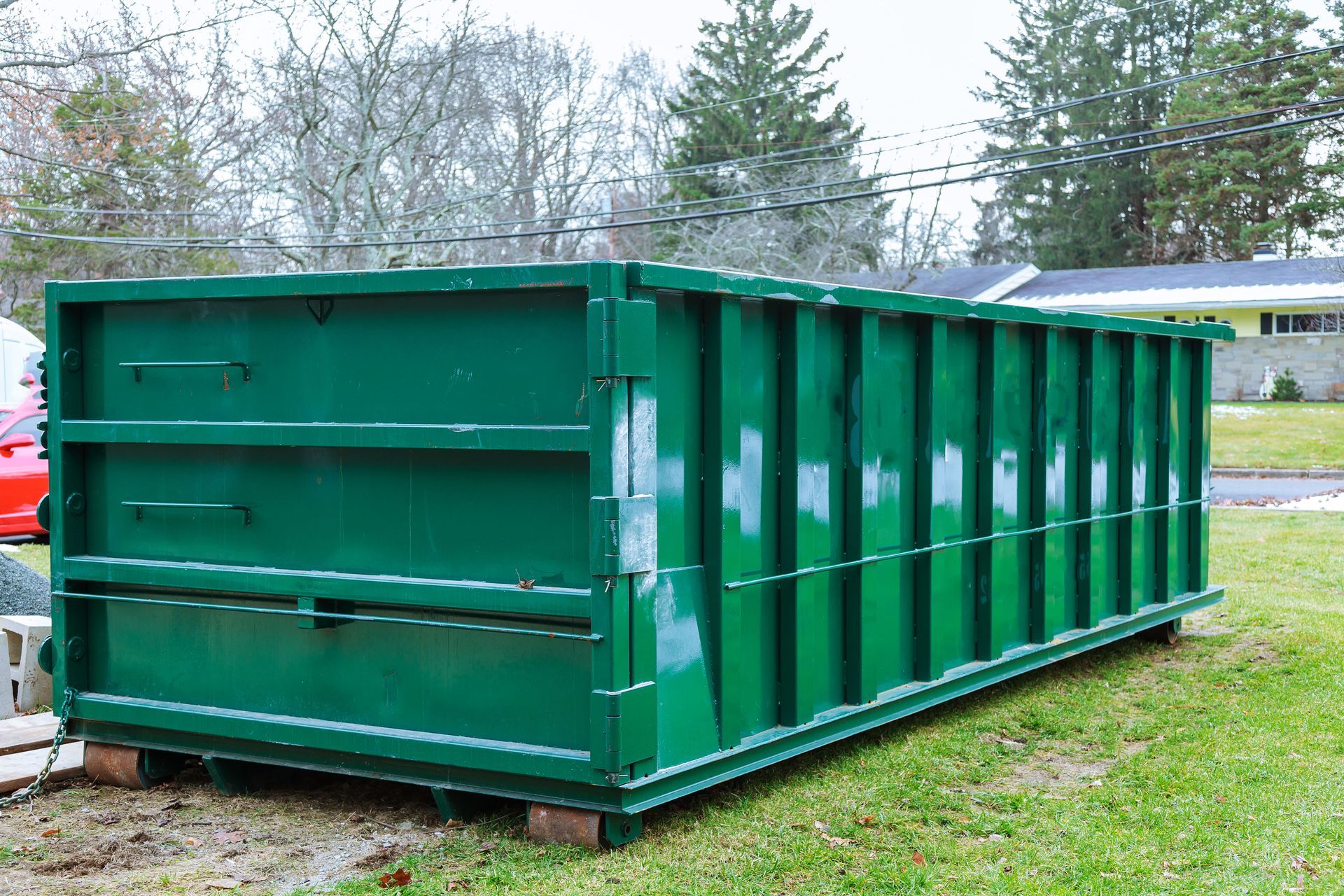
Roll-off dumpsters are a popular choice for many exterior projects due to their versatility and capacity. These dumpsters are characterized by their large, rectangular shape and roll-on/roll-off design, making them suitable for substantial waste volumes. Their accessibility allows for easy disposal of various waste types, including construction debris, old roofing shingles, and siding materials.
The roll-off design ensures that these dumpsters can be efficiently loaded and unloaded, streamlining the waste disposal process. Furthermore, their availability in multiple sizes provides flexibility for tailored waste management solutions according to project needs.
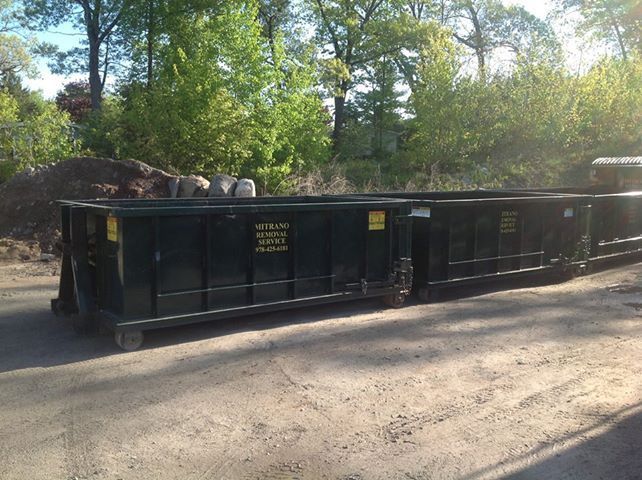
The durability and capacity of roll-off dumpsters make them ideal for managing waste on construction sites with heavy and bulky materials. These dumpsters are constructed from sturdy materials that can withstand the demands of dense construction debris, providing reliable waste containment. The high walls of a roll-off dumpster prevent debris spillage, contributing to a clean and organized worksite. Additionally, their scalability means that project managers can adjust the size of the rental to fit any project, from a small home renovation to a large commercial development. By choosing roll-off dumpsters, projects benefit from both operational efficiency and enhanced safety.
Safety and compliance are critical factors in the selection of dumpsters, and roll-off dumpsters meet these requirements effectively. Their design minimizes the risk of injuries associated with manual waste handling, as debris can be directly loaded into the container from ground level. Moreover, the secure containment of waste aligns with legal requirements for construction waste disposal, helping to avoid regulatory violations. With the ability to contain a wide variety of waste, roll-off dumpsters provide an environmentally responsible solution that supports industry best practices. Ultimately, they represent a practical choice for construction managers aiming to balance efficiency, safety, and compliance.
Effective waste management plays an important role in keeping roofing, siding, landscaping, and other exterior projects safe, organized, and on schedule. Dumpster rentals provide a convenient way to contain debris, reduce unnecessary disposal trips, and prevent hazardous materials from accumulating around the worksite. Selecting the appropriate container can also help contractors and homeowners comply with local disposal requirements while identifying materials that may be suitable for recycling.
Both roll-off and trailer dumpsters offer valuable advantages depending on the project’s size, location, and waste volume. Roll-off containers are well suited for large quantities of heavy construction debris, while trailer dumpsters provide added mobility and may be a better choice for smaller sites or finished driveways. By considering available space, surface conditions, material types, and anticipated waste, project managers can choose a dumpster that supports efficient cleanup from start to finish.
Planning for debris removal before work begins can reduce costs, improve productivity, and protect the surrounding property. With the right dumpster rental and responsible disposal practices, exterior improvement projects can move forward with fewer disruptions and a cleaner, safer work environment. To learn more, contact Mitrano Removal Service LLC.