August 26, 2026
Rapid industrialization and construction projects generate immense volumes of waste material. Communities face compounding challenges regarding refuse accumulation and disposal infrastructure. Urban development creates structural debris, while household renovations produce substantial domestic refuse. Without structured management systems, excess materials threaten local ecosystems and strain municipal capacities. Society must prioritize sustainable practices to mitigate ecological degradation. Structured containment offers a vital defense against scattered debris and localized pollution.
Addressing these ecological challenges requires comprehensive waste management strategies. Integrated waste solutions provide structured pathways for debris removal and material recycling. Among various available options, dumpster rental services offer distinct environmental advantages. These systematic approaches facilitate organized collection and subsequent material processing. Municipalities and construction managers depend on such systems to minimize their environmental footprint. Structured disposal networks transform chaotic waste streams into manageable processes, ensuring ecological preservation.
Promoting Sustainability Through Proper Segregation
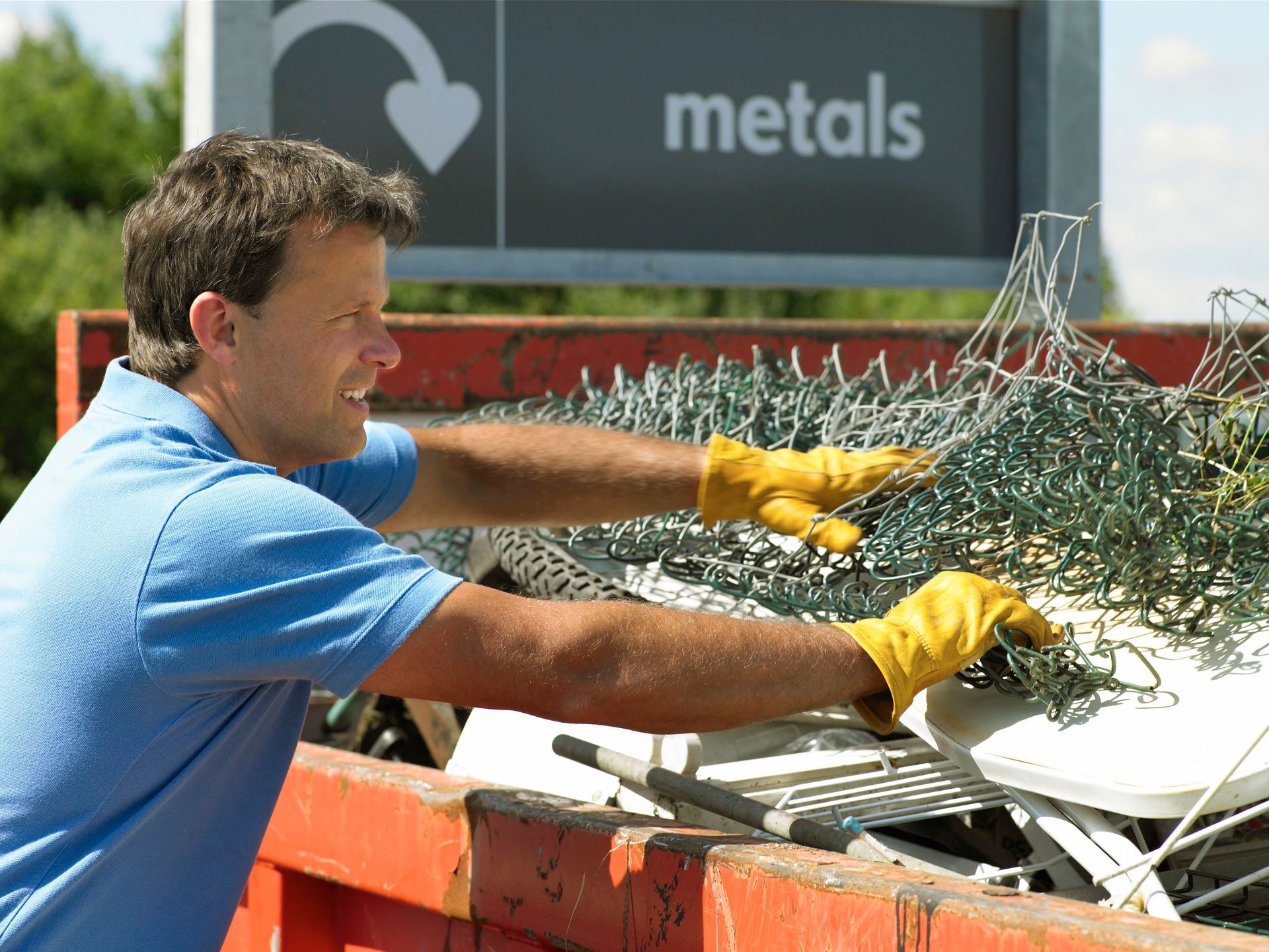
Effective waste management begins with rigorous material segregation at the generation point. Construction sites generate mixed materials that require deliberate separation. Mixing recyclable components with non-recyclable refuse creates severe processing complications. Structured containers allow site managers to designate specific bins for distinct material types. This localized sorting methodology streamlines subsequent processing phases. Clean material streams ensure higher recovery rates during recycling operations.
Separated materials travel to designated recovery facilities rather than municipal landfills. These specialized centers process concrete, metal, and plastics for industrial applications. Utilizing professional dumpster rental services guarantees materials reach appropriate processing destinations. Industry experts understand complex municipal regulations regarding material disposal. Their expertise ensures hazardous components never enter conventional waste streams. Channeling specific materials prevents widespread environmental contamination.
Repurposing salvaged materials reduces global demand for virgin resources. Extracted timber and unrefined metals require massive energy expenditures for harvesting and refinement. Recovered construction debris finds new life in future structural projects. Recycled metals undergo melting processes that consume a fraction of the energy needed for original ore refinement. Conserving these foundational resources protects natural landscapes from excessive mining operations.
Strategic partnerships between disposal providers and recovery centers maximize ecological benefits. Processing facilities leverage advanced technologies to extract value from discarded materials. According to the Environmental Protection Agency, commercial and residential dumpster rentals keep more than 60% of debris out of landfills when combined with recycling programs. This massive diversion rate demonstrates the structural efficacy of integrated waste management systems.
Conserving Resources via Efficient Transportation
Transporting waste from generation sites to processing facilities requires significant fossil fuel consumption. Individual property owners hauling small loads generate excessive vehicular emissions. Multiple trips in standard passenger vehicles compound greenhouse gas releases. Carbon dioxide and particulate matter degrade local air quality. Consolidating waste transportation mitigates these atmospheric pollutants. Heavy-duty transport vehicles carry massive payloads, eliminating redundant civilian journeys.
Centralized waste collection models optimize fuel expenditures and reduce overall traffic volume. An industrial truck hauls a volume of debris equivalent to multiple standard truckloads. Through organized dumpster rental services, communities achieve profound reductions in transportation-related carbon emissions. Professional drivers operate vehicles designed for maximum payload efficiency. These logistical improvements directly correlate with cleaner air and reduced fossil fuel consumption.
Logistics coordinators employ advanced routing software to minimize travel distances. Dispatchers plan collection circuits that avoid heavy traffic and unnecessary detours. Direct routes require less diesel fuel and produce fewer exhaust emissions. Reduced idling time in traffic congestion limits atmospheric pollution. Fleet maintenance programs ensure transport vehicles operate at peak mechanical efficiency. Well-maintained engines leak fewer hazardous fluids.
Decreased traffic volume around disposal sites protects surrounding environments from noise and air pollution. Heavy congestion near municipal dumps creates localized smog centers. Streamlined transport logistics disperse this environmental burden across wider networks. Organized collection schedules prevent sudden influxes of disposal traffic. Smooth vehicular flow maintains baseline air quality standards in neighboring communities. Intelligent routing preserves community health standards.
Supporting Conservation by Reducing Landfill Reliance
Municipal landfills occupy expansive tracts of land that otherwise support native ecosystems. As waste volumes expand, communities must clear pristine habitats to create new disposal sites. Habitat destruction displaces wildlife and disrupts local biodiversity. Confining waste to existing perimeters remains paramount for ecological preservation. Maximizing space within current disposal sites delays the requirement for territorial expansion. Compacting materials preserves natural landscapes.
Decomposing organic matter in traditional landfills generates concentrated methane gas. This potent greenhouse gas accelerates atmospheric warming patterns. Mixed waste environments prevent proper aeration, creating anaerobic decomposition cycles. Diverting green waste away from these oxygen-starved environments prevents methane generation. Dedicated dumpster rental services channel organic materials toward specialized composting facilities. Aerobic composting processes release carbon dioxide instead of harmful methane.
Composting facilities transform discarded organic matter into nutrient-rich soil amendments. Agricultural sectors and landscaping operations utilize these products to enrich depleted soils. Returning organic material to the earth completes natural ecological cycles. Healthy soils retain moisture with greater efficacy and require fewer synthetic fertilizers. Chemical fertilizer reduction prevents nutrient runoff in local watersheds. Regenerative agriculture depends on reliable organic waste streams.
Extending the operational lifespan of current landfills provides time for alternative technologies to emerge. Engineers continue developing superior waste-to-energy conversion systems. Slowing the rate of landfill accumulation bridges the gap between current limitations and future innovations. Preserving capacity requires diligent diversion tactics across all societal sectors. Organized waste management secures crucial time for environmental scientists to develop permanent disposal solutions.
Enhancing Ecosystems With Responsible Disposal
Inadequate disposal options provoke illegal dumping behaviors in isolated natural areas. Rogue debris piles contaminate forests, ravines, and undeveloped land parcels. Toxic substances leach into soil networks and poison native flora. Scattered refuse introduces physical hazards to foraging wildlife. Animals ingest synthetic materials that cause internal blockages or starvation. Accessible and structured disposal solutions eliminate the primary catalyst for unauthorized dumping activities.
Precipitation washes surface contaminants from exposed waste into municipal storm drains. This toxic runoff eventually reaches rivers, lakes, and coastal habitats. Aquatic ecosystems suffer immense damage from dissolved chemicals and microplastics. Heavy metals from electronic waste cause reproductive failure in fish populations. Containment remains the best defense against watershed pollution. Sturdy metal enclosures shield vulnerable waste from rain and wind erosion.
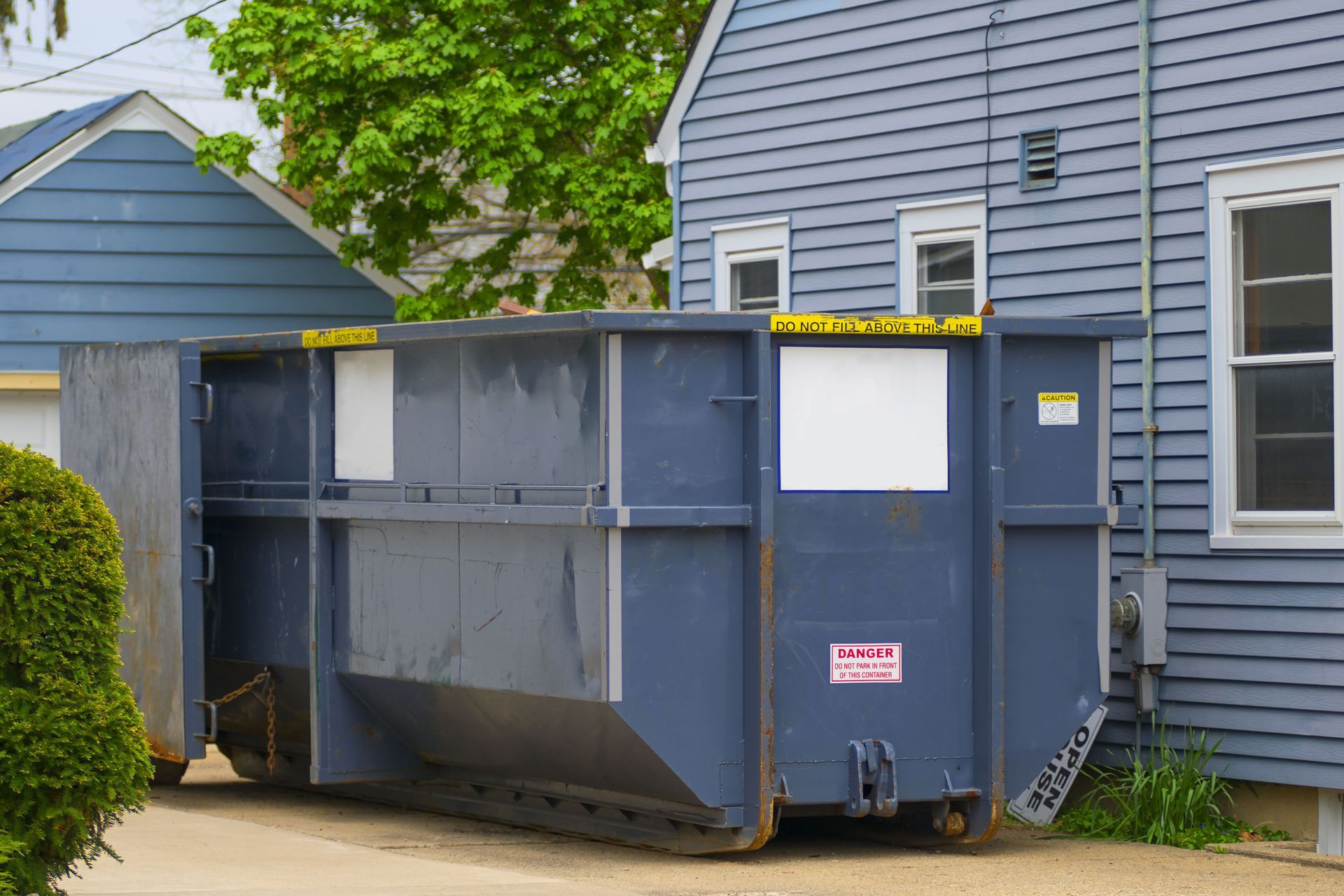
Professional waste containment vessels feature robust construction that prevents structural failure. Reinforced steel walls stop sharp objects from breaching the exterior boundaries. Secure covers block rain penetration and prevent wind from scattering lightweight plastics. By utilizing dumpster rental services, project managers secure a fortified perimeter around dangerous debris. Weather-resistant containers maintain their integrity under harsh environmental conditions, safeguarding nearby habitats.
Remediating contaminated environments requires massive financial and ecological resources. Soil excavation and water filtration projects consume vast amounts of energy. Preventing pollution at the source remains the most sustainable environmental strategy. Responsible disposal practices serve as preventative medicine for fragile local ecosystems. Communities that prioritize structured waste containment avoid catastrophic environmental degradation. Proactive management preserves ecological integrity for future generations.
Ecological preservation demands consistent application of sustainable waste management protocols. The journey toward environmental balance requires active participation from commercial entities and private citizens. Unregulated debris disposal threatens atmospheric stability, terrestrial habitats, and aquatic networks. Implementing structured collection systems mitigates these pervasive environmental threats. Integrating dumpster rental services into project planning establishes a foundation for responsible material handling.
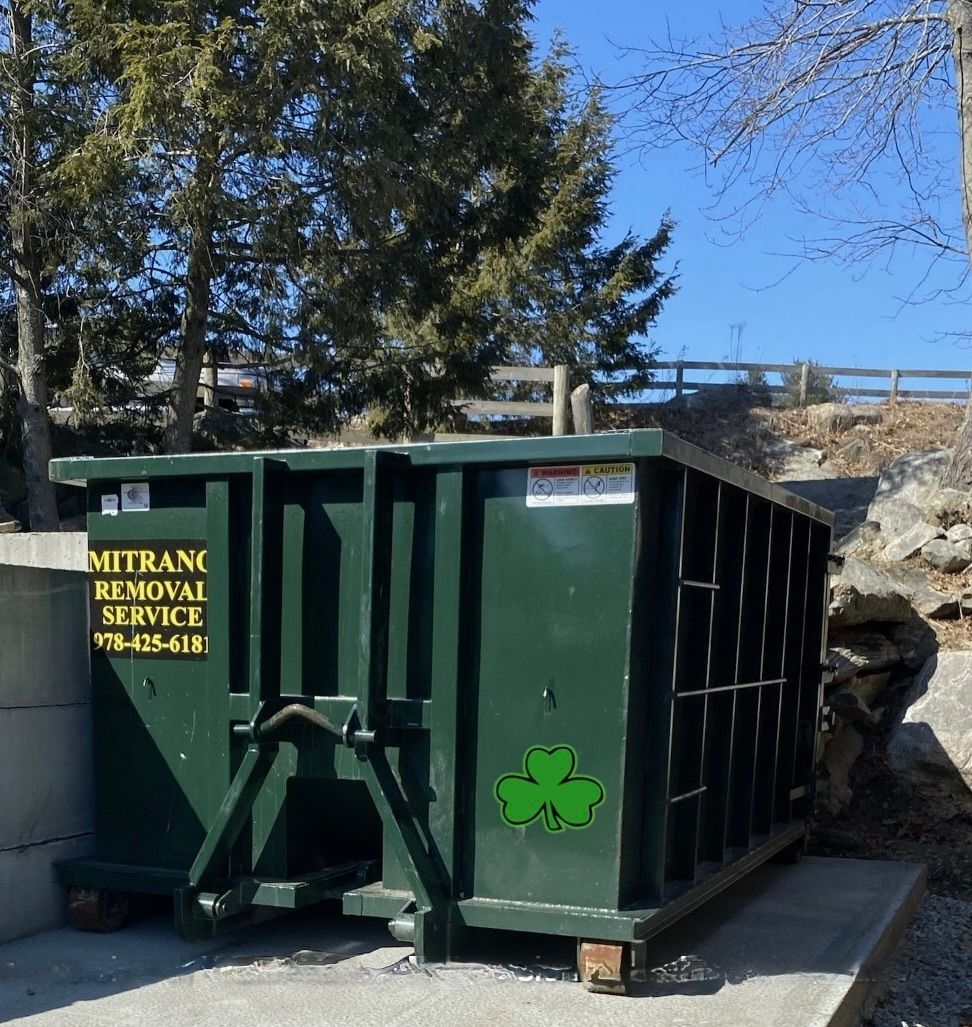
Protecting natural resources necessitates a commitment to material diversion and physical containment. Modern society generates massive refuse volumes, rendering disorganized disposal methods obsolete. Consolidating transport, mandating segregation, and preventing illegal dumping represent critical steps toward ecological harmony. Structured waste management transcends basic cleanliness and becomes an act of paramount environmental stewardship. Embracing systematic disposal solutions guarantees a cleaner planet. At Mitrano Removal Service, LLC, we are ready to help you handle your waste responsibly and sustainably. Contact us today to schedule our dumpster rental services, and let's work together to protect our local environment.