June 29, 2026
Choosing the right dumpster size for your project can streamline waste management and save money. This guide will help you navigate the various considerations and options available to ensure you select the right size tailored to your specific needs. Selecting an appropriately sized dumpster is crucial for efficient waste management and reducing project costs.
The better your estimation and understanding of your needs, the more likely you will avoid excess charges and ensure smooth operations. Whether you're handling a home renovation or a construction site, understanding how to match your waste management solution to your requirements is an invaluable skill. Using the right dumpster rental approach early in the planning process helps set the tone for efficiency throughout the entire job.
Essential Project Waste Assessment
Start Evaluating the Type of Waste
Identifying the type of waste is the first step in assessing your dumpster needs. Projects that generate hazardous waste, such as construction or industrial jobs, have different requirements than lighter, non-hazardous waste from a home cleanout. Knowing what kind of waste you'll be dealing with can help rule out certain container types and sizes. For instance, yard waste involves organic material, while renovation work often includes mixed debris. Understanding these differences helps ensure the chosen dumpster rental solution aligns with disposal requirements and project scope. Certain materials may also require specific handling procedures depending on local regulations.
Start Estimating the Volume of Waste
Estimating the volume of waste accurately is crucial to avoid paying for more capacity than necessary. An overestimation may increase costs unnecessarily, while underestimating can result in additional trips or overfilling fees. According to Home Advisor, a 10-year dumpster is able to handle roughly two to three tons of debris in 2025. This type of benchmark helps guide early planning when selecting a dumpster rental size for smaller projects. Be mindful that material density can significantly impact how quickly a container fills. Proper estimation helps keep both cost and efficiency under control throughout the project.
Review the Requirements of Different Project Types
Different types of projects have varying waste management needs depending on scope and intensity. Minor renovations are typically easier to clean up compared to full-scale construction or demolition work. Larger projects often require more substantial dumpster rental solutions to maintain workflow efficiency. For example, a 20-yard container may support moderate renovation work, while larger builds often require 30- or 40-yard options. Understanding the overall project type helps ensure the selected size matches the expected output without unnecessary limitations.
Review the Duration of Project Timelines
The project's duration plays a pivotal role in selecting the right dumpster size. Longer projects may require rental extensions or additional pickups, especially in ongoing construction environments. Short, high-intensity projects may benefit from larger containers to support concentrated waste output. Adjustments to dumpster rental timing or capacity may be needed if the project expands beyond its original scope. Aligning duration with waste capacity helps maintain efficiency and reduces unnecessary interruptions.
Standard Dumpster Uses
Select 10-Yard Dumpsters
For small-scale tasks like garage cleanouts or minor renovation work, a 10-yard dumpster is often the optimal choice. This size typically fits in most driveways and supports lightweight debris removal needs. It is commonly used for projects that do not require extensive disposal capacity. Selecting the appropriate dumpster rental size at this level helps maintain cost efficiency while keeping cleanup manageable. Smaller projects benefit from this balance of convenience and functionality.
Select 20-Yard Dumpsters
The 20-yard dumpster is versatile and suited for moderate renovation work or larger cleanouts. It offers a balance between capacity and footprint, making it a practical choice for residential and light commercial needs. This size is frequently chosen for projects requiring consistent but manageable waste removal. A well-planned dumpster rental strategy at this level supports efficiency across multiple project types. Its adaptability makes it one of the most commonly used options.
Select 30-Yard Dumpsters
A 30-yard dumpster is well-suited for larger renovation projects, including full home remodels or major cleanouts. It provides enough capacity to handle substantial debris without frequent hauling interruptions. This size is often used in construction environments where waste accumulates quickly. Choosing the right dumpster rental size for these projects helps maintain productivity and reduce downtime. It is designed to support higher-volume material output effectively.
Select 40-Yard Dumpsters
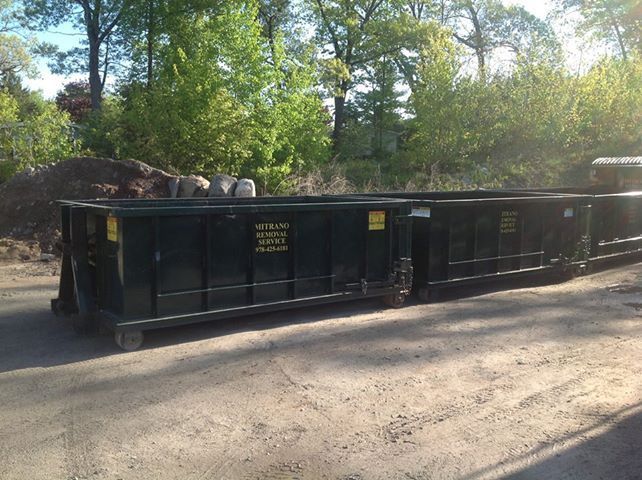
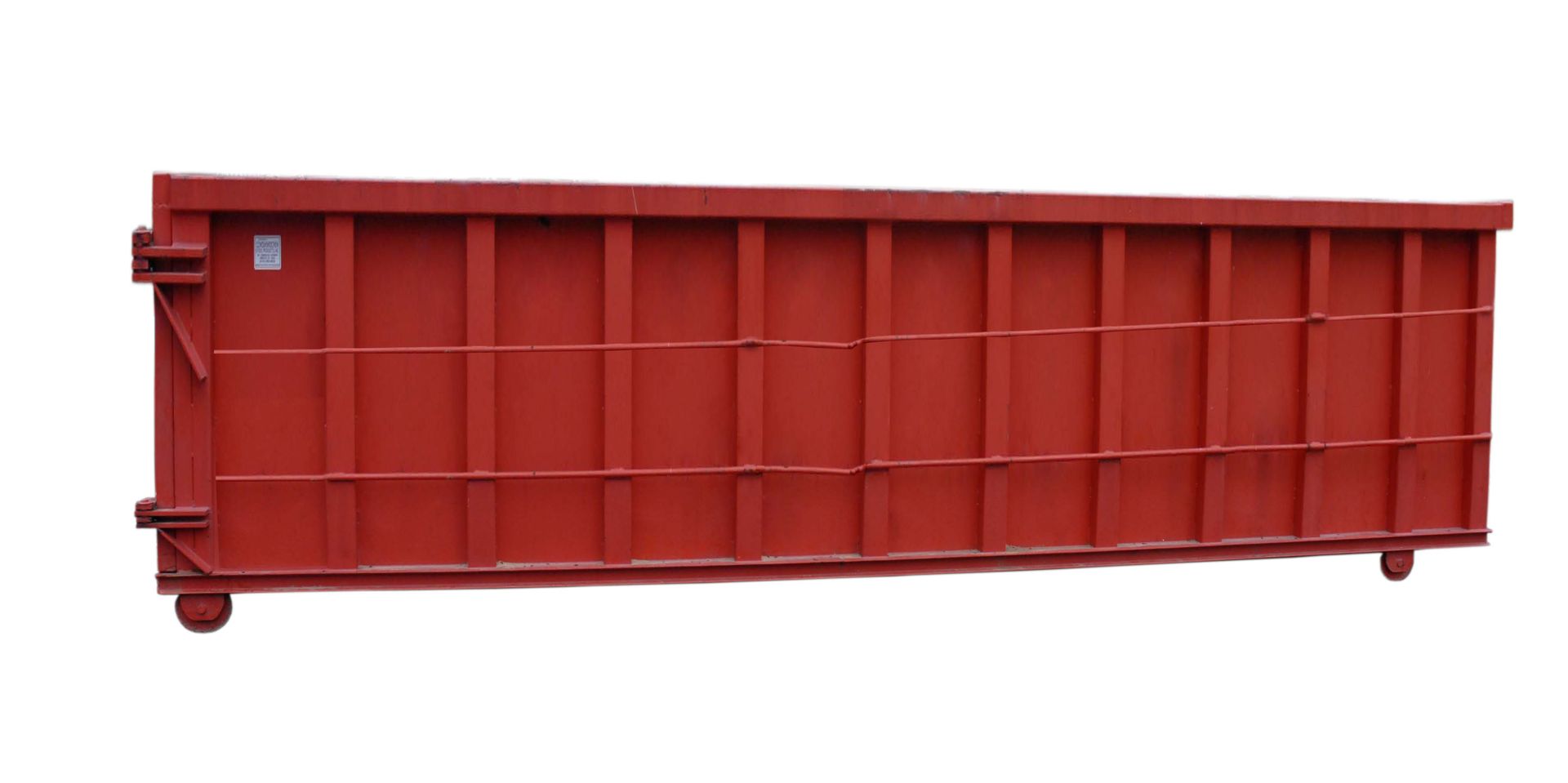
The 40-yard dumpster is designed for large-scale construction or demolition projects. It is best suited for high-volume debris situations where smaller containers would require frequent emptying. This size supports continuous workflow on major job sites with heavy material output. It is typically not necessary for smaller residential applications. Proper dumpster rental planning ensures this capacity is used only when needed.
Important Dumpster Rental Cost Considerations
Understand Rental Prices
Dumpster rental costs depend on several factors beyond size, including location, waste type, and rental duration. Heavier materials or more complex disposal requirements may increase overall pricing. Understanding these variables helps create a more accurate project budget. Proper planning for dumpster rental needs helps avoid unexpected costs and improves financial predictability throughout the project. Careful evaluation ensures more efficient resource allocation from the start.
Prevent Overfilling and Extra Charges
Overfilling a dumpster can lead to additional fees due to safety and transport regulations. Staying within weight and fill limits ensures smooth pickup and avoids penalties. Accurate sizing and waste estimation help prevent these issues from occurring. Proper loading practices improve cost efficiency and reduce the likelihood of service disruptions. Managing dumpster rental usage responsibly helps maintain compliance and control expenses.
Key Regulatory Requirements
Follow Local Zoning Laws
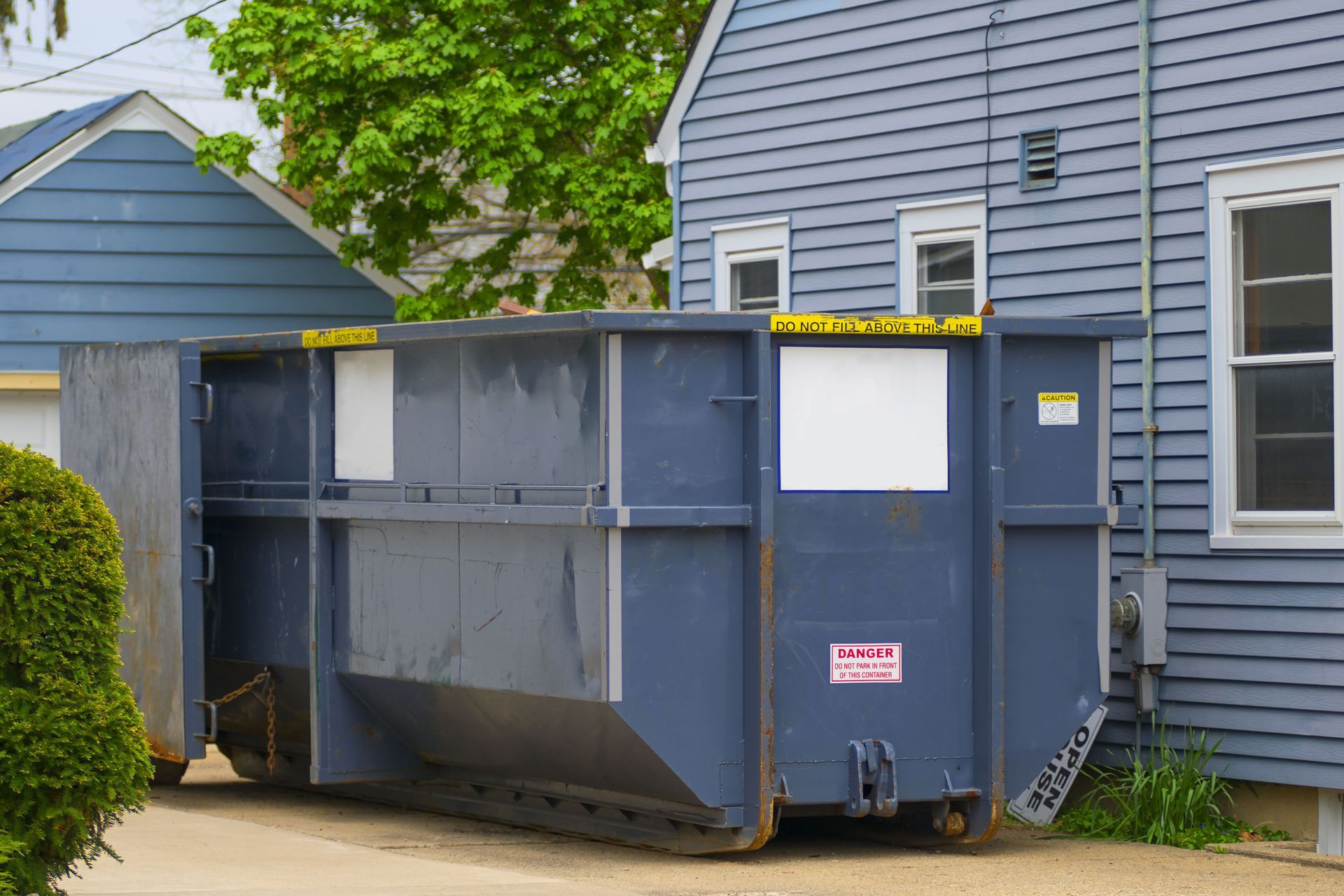
Local zoning regulations may impact where dumpsters can be placed during a project. These rules can vary by municipality and may restrict street or residential placement. Compliance with local requirements helps avoid fines or delays. Proper planning for dumpster rental placement supports smooth project execution. Understanding zoning requirements early helps prevent logistical issues later in the process.
Avoid Prohibited Materials
Certain materials are restricted from dumpster disposal to ensure safety and regulatory compliance. Proper separation of prohibited items is necessary to avoid additional fees. Understanding disposal restrictions helps maintain proper waste handling practices. Following guidelines supports responsible disposal and smooth dumpster rental service. Compliance helps protect both the project and the environment.
Smart Dumpster Selection Strategies
Use Dumpster Size Calculators
Dumpster size calculators can help estimate the appropriate container based on project details. These tools improve accuracy when planning waste disposal needs. They help reduce overestimating or underestimating capacity requirements. Using them can streamline decision-making for dumpster rental planning. This approach helps support more efficient and informed project preparation.
Consult Professionals
Working with experienced waste management providers can help ensure proper dumpster selection. Professional input can clarify project requirements and logistical considerations. This guidance can improve efficiency and reduce costly mistakes. Dependable advice supports better dumpster rental planning outcomes. Collaboration with professionals helps ensure smoother project execution overall.
Additional Waste Management Support
Use Recycling and Disposal Services
Recycling services help reduce landfill waste and support responsible material handling. Separating recyclable materials improves overall efficiency. This approach contributes to more sustainable project outcomes. It also helps streamline dumpster rental disposal processes. Proper recycling integration supports more responsible waste management practices.
Rely on Customer Support and Availability
Responsive customer support helps address scheduling or service questions efficiently. Dependable communication improves project coordination. It ensures smoother handling of unexpected issues. Strong support contributes to better dumpster rental service experiences. Effective communication helps maintain project momentum.
With a clear understanding of what your job requires, you can make more efficient decisions that keep everything moving without unnecessary interruptions. To learn more about dumpster rental options and find the right fit for your project, contact Mitrano Removal Service, LLC.